
|
There are several reasons why people choose to buy land snails as pets. Here are a few:
1. Low Maintenance: Land snails are known for their low maintenance requirements. They don't require daily walks or constant attention like other pets. They are nocturnal creatures, meaning they are most active during the night. This makes them an ideal pet for people with busy schedules or those who may not be able to provide constant attention to a pet. 2. Unique Appearance: Land snails come in a variety of colors and patterns, making them visually appealing. Some species even have beautiful shells with intricate designs. If you're looking for a pet that can be a conversation starter and add a touch of uniqueness to your home, a land snail might be the perfect choice. 3. Educational Value: Land snails can be a great educational pet for both children and adults. Keeping and observing land snails can teach valuable lessons about biology, life cycles, and the importance of caring for living creatures. It can also promote a sense of responsibility and empathy towards animals. 4. Therapeutic Benefits: Taking care of land snails can have therapeutic benefits. Watching them move and explore their environment can be calming and soothing. They can provide a sense of companionship and help reduce stress and anxiety. 5. Environmental Impact: Land snails have a relatively small ecological footprint compared to other pets. They don't require large enclosures or specialized equipment. By choosing land snails as pets, people can contribute to a more sustainable and eco-friendly lifestyle. It's important to note that while land snails can make interesting and low maintenance pets, they still require proper care and attention to ensure their health and well-being. It's crucial to research the specific species and their requirements before bringing them into your home.
0 Comments
Are you considering buying land snails as pets? Land snails can be fascinating creatures to take care of, but it's important to know what you're getting into before making a purchase. In this blog post, we will explore the reasons why people choose to buy land snails as pets and provide some tips on how to care for them.
One of the main reasons why people choose to buy land snails is their low maintenance requirements. Unlike other pets, land snails don't require daily walks or constant attention. They are nocturnal creatures, so they are most active during the night. This makes them an ideal pet for people who have busy schedules or may not be able to provide constant attention to a pet. Another reason why people choose to buy land snails is their unique appearance. Land snails come in a variety of colors and patterns, making them visually appealing. Some species even have beautiful shells with intricate designs. If you're looking for a pet that can be a conversation starter, a land snail might be the perfect choice. Caring for land snails is relatively easy, but it's important to provide them with the right conditions. They require a terrarium or a tank with a secure lid to prevent them from escaping. The temperature and humidity levels should be maintained within a specific range, depending on the species. Land snails also need a substrate that retains moisture, such as coconut fiber or sphagnum moss, for them to burrow and lay their eggs. Feeding land snails is simple, as they mainly eat fruits, vegetables, and leafy greens. It's important to provide a balanced diet and avoid feeding them foods that are toxic to snails, such as onions and citrus fruits. Additionally, calcium supplements should be provided to ensure the snails have strong shells. Before buying land snails, it's essential to research the specific species and their requirements. Some species are more delicate and require a higher level of care, while others are hardy and can adapt to different conditions. It's also important to purchase snails from reputable breeders or pet stores to ensure their health and wellbeing. In conclusion, buying land snails as pets can be a rewarding and unique experience. They are low maintenance, visually appealing, and relatively easy to care for. However, it's important to do thorough research and provide the right conditions to ensure the snails' health and happiness. If you're considering adding a land snail to your family, make sure to follow the necessary steps to create a suitable environment for them to thrive. Title: Exploring the Fascinating Rumina Decolette Snails
Introduction: Step into the intriguing world of Rumina Decolette snails, where beauty meets uniqueness. These captivating creatures possess striking patterns and vibrant colors, making them stand out in any natural environment. Let's uncover their distinct features and behaviors in this brief exploration. 1. Aesthetic Beauty: The Rumina Decolette snails' shells boast intricate patterns and vibrant colors, ranging from browns and oranges to deep purples and blues. Their striking appearance sets them apart from other snail species, earning them the nickname "decolette snails." 2. Unconventional Diet: Unlike their herbivorous relatives, Rumina Decolette snails are carnivorous. They feed primarily on other snails, including their own kind. This unique dietary preference has intrigued researchers and prompted studies on their feeding habits and ecological impact. 3. Impressive Speed: Despite their small size, Rumina Decolette snails are surprisingly fast. With their agility and speed, they efficiently capture their prey, making them formidable hunters in the snail kingdom. 4. Ecological Impact: Rumina Decolette snails play a crucial role in controlling the population of other snail species. As carnivorous predators, they help maintain balance in ecosystems where snails are present, preventing overpopulation and potential ecological disruptions. 5. Habitat and Distribution: Native to Europe, North America, and parts of Asia, Rumina Decolette snails thrive in various habitats such as gardens, grasslands, and forests. Their adaptability has contributed to their widespread distribution. Conclusion: The world of Rumina Decolette snails is a captivating one, with their stunning appearance and unique behaviors. These small creatures have an ecological impact that shouldn't be underestimated. Next time you encounter a Rumina Decolette snail, take a moment to appreciate the beauty and wonders they possess. Snails make great pets!
baby helix maxima snails are a great choice for a pet because they are small, easy to care for, and interesting to watch. They can live up to 5 years and will grow up to be 3-4 cm in size. These snails love to eat fruits and vegetables, so they are perfect for people who want a pet that is easy to take care of and fun to watch eat. Order your snail today on our website! COVID 19 UPDATE In light of these unprecedented times, and following government guidelines, we are still operating as normal with extra safety precautions in place, such as reduced staff and limited postal runs and using PPE. Please feel free to order as normal, ask any questions you may have etc but be aware there may be a slight delay on your order being sent, but please rest assured it will be sent out asap. 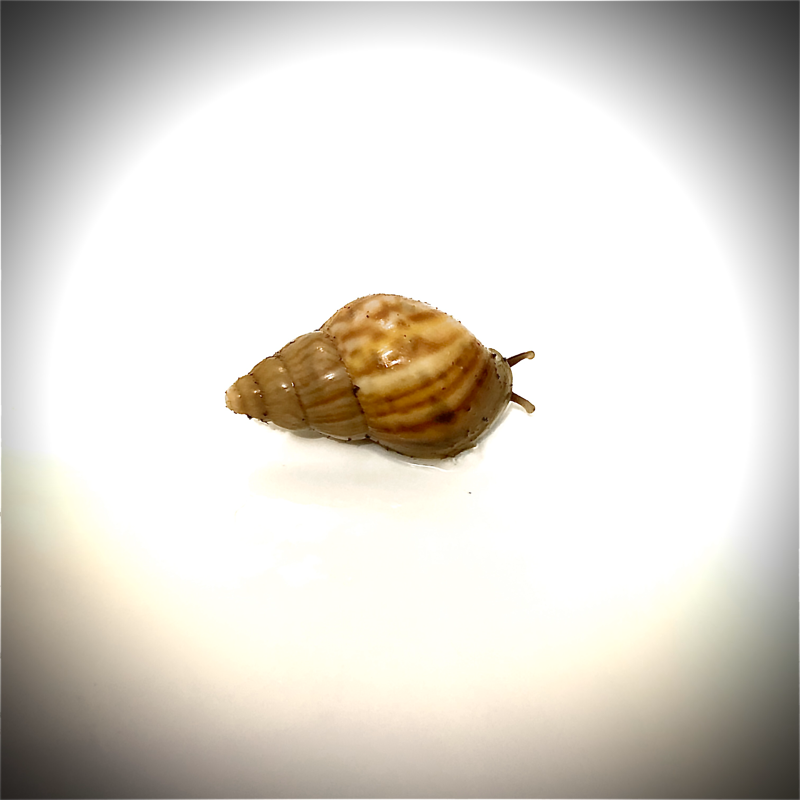 Achatina Fulica Caramel Light Baby Snail Giant African Land Snail - Achatina Fulica Caramel Light Baby Snail
£ 9.99 The fact that snails are a common species has given some scientists to research
on some amazing and interesting facts about their existence. There are a number of amazing facts which an individual is worth knowing about. Snails are a certain special species which when feeling that their lives are in certain danger, they hide in their shells to present any danger which can cost their lives. Below are five amazing and interesting snail facts: 1. Snails are herbivores which feed on a well decayed vegetation, fungi, algae, plant leaves, and lichens. Some individuals identify snails as pests due to their habit of feeding on garden plants as their herbivorous diet. Common species of snails will, therefore, contain symbiotic bacteria which is located in their crop which guides them on cellulose digestion. 2. Common snails have a moist skin, which makes them more active at night or in damp weather. When weather conditions become very dry, a common snail will retreat back to its shell and seals the shell entrance with parchmen. You can mostly find snails under the garden rocks or else on a well sheltered corner of a wall. When the shell is sealed, the snail will, therefore, go in suspended animation where it can survive for a number of months with no water. 3. Like all land snails, common snails are Hermaphrodites. This will, therefore, mean that snails possess both female and male reproductive organs. This fact does not limit them from finding other snails for mating with. Mating is therefore started by one snail which Pierces the skin of its mate with a calcified love dart. Love dart leads to stimulation of the other snail into exchanging sperms. After the process of mating the the snail will internally produce eggs, which are therefore fertilized by the exchanged sperms. 4. About a month after dating a snail will, therefore, lay at least a hundred small eggs underground in a nest which is usually located on damp soil. When the conditions in the nest remain suitable for the eggs, then the snail will start hatching after fourteen days. A newly hatched snail have a fragile shell which takes 2 years or so to reach maturity. 5. Research shows that digestive secretion of a garden snail prevents stomach ulcers from human beings. 10 grams of digestive secretion powder of a garden snail will decrease human stomach acidity by 42%. This powder is therefore effective when it comes to chronic bronchitis. Achatina Fulica Juvenile Snail 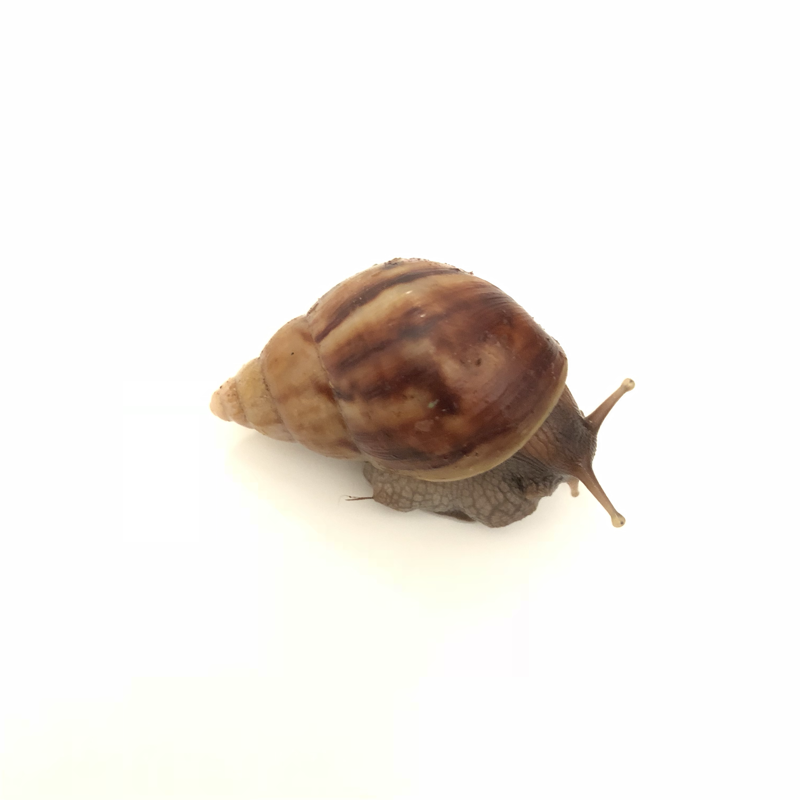 £ 2.99 Giant African Land Snail - Achatina Fulica Juvenile Snail
Archachatina Marginata Ovum Adult Snail 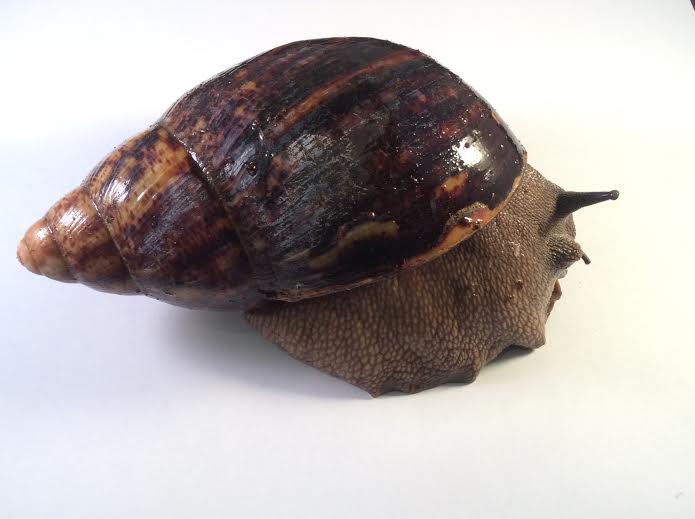 £ 11.99 Giant African Land Snail - Archachatina Marginata Ovum Adult Snail
It is recommended to quarantine any wild snails from your own snails for a few months and carry out regular worming in the form of red peppers, hemp seed etc. Also you can buy specially made wormer mix snail food for wild caught snails and a range of other snail mix foods from this store: https://www.etsy.com/uk/shop/SnailPets |
 RSS Feed